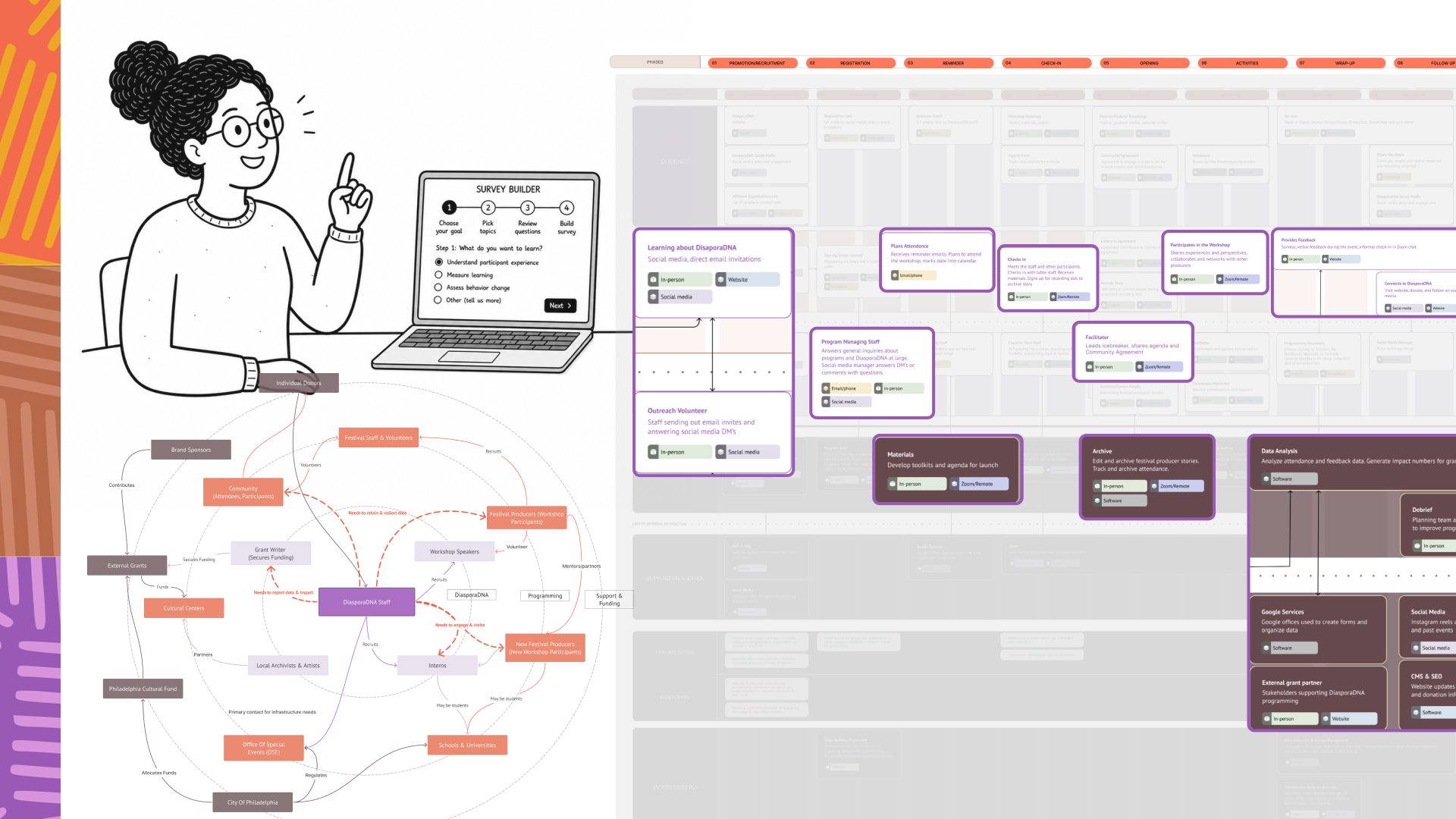
DiasporaDNA: Designing the Service for Community Impact
A service design project with DiasporaDNA and Philly Festivals focused on improving data collection, supporting festival producers, and strengthening community participation.
Main Accomplishment:
Service Designer with a team of 5 other designers at Pratt Institute.
Identified service gaps around data collection, follow-up, and new festival producer support to guide opportunities for DDNA’s long-term growth.
Project Summary:
Timeline: March - May 2026
Deliverables: Service design outputs, including a service blueprint, dynamic personas, ecosystem circle, data lifecycle map, and proposed interventions.
Tools: Figma, Figma Slides, Google Workspace, Miro
Key Stakeholders: DiasporaDNA staff, festival producers, community participants, and grant funders.
What is DiasporaDNA (DDNA)?
DiasporaDNA is a community-based organization behind the Philly Festivals. Our team worked with DiasporaDNA leadership to understand how its programs function across the full service lifecycle, from outreach and recruitment to participant engagement, program delivery, reflection, and follow-up.
The project focused on identifying what was working across the service, where challenges appeared, and where new interventions could better support the organization
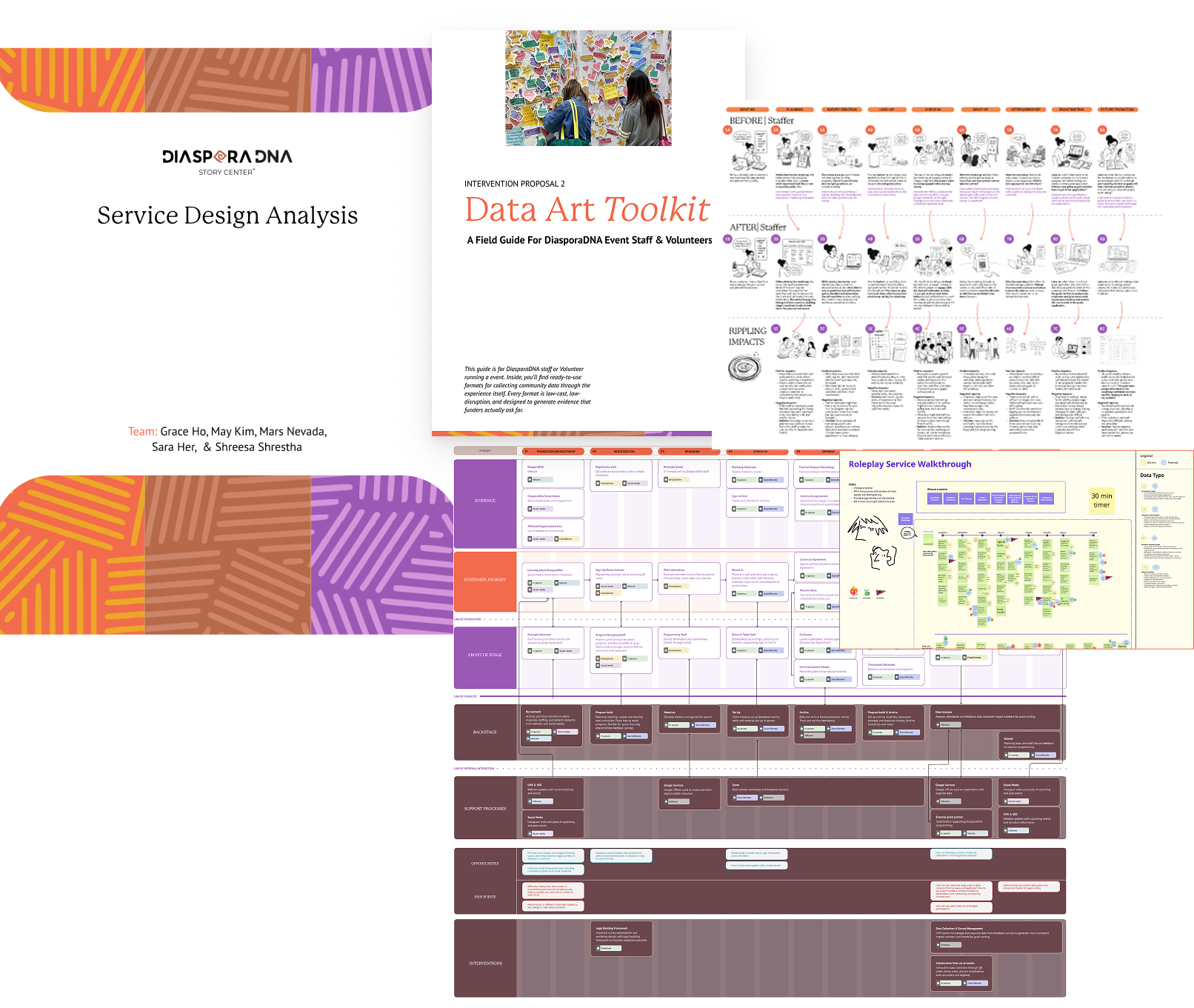
Key Artifacts of DDNA Service Design
Making DDNA’s Impact More Visible
DiasporaDNA wanted to better understand how its programs were supporting the community and how that impact could be communicated more clearly. While data was already being collected, there were gaps around: where data goes, how it is used, and how it could support program improvement and future funding.
How Might We help DiasporaDNA collect, organize, and use impact data in a way that supports community programs, festival producers, and long-term growth?
Where Did We Start?
Through the kick-off meeting with founder Monica O. Montgomery, we gained a better understanding of the story behind DiasporaDNA and her vision for the organization. This helped us understand how DDNA supports cultural work, community storytelling, and festival production.
Research & Methods
We used multiple service design methods to understand the organization from different angles. Each method helped us see not only what the service does, but how people experience it and where the system could improve.
→ Service Blueprint
→ Co-design Workshops
→ Dynamic Personas
→ Ecosystem Circle
→ Data Lifecycle Map
→ Interventions
Service Blueprint
The team developed a service blueprint to understand the organization’s current service flow, creating a visual map of how people, tools, and processes connect across the overall experience.
The map outlines the lifecycle of service actors across eight phases. Each phase shows how visible touchpoints connect to the internal work that supports them.
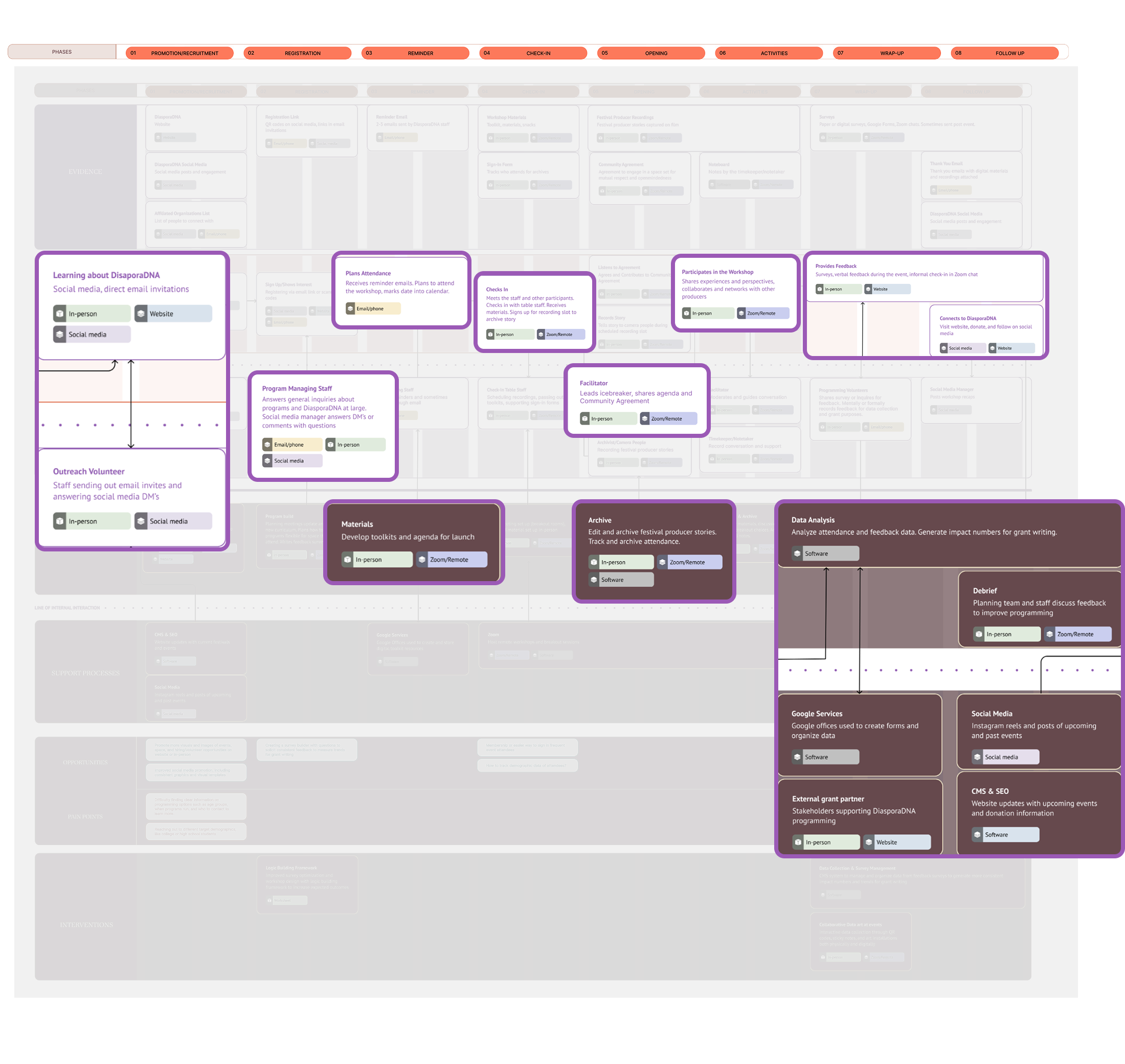
Service Blueprint w/ callouts of main points
Through the service blueprint, we identified gaps around unclear starting points, event follow-up, resource challenges, and data use. Different actors may want to get involved, but the next steps are not always clear. Limited staff, funding, and volunteer support can also make it harder for DDNA to manage programs from promotion to long-term support. While data is being collected, there needs to be a clearer process for how it is stored and used long-term.
Co-design Workshop: Service Walkthrough
We held two co-design workshops with Varissa, the Impact Director of DDNA, on Miro to better understand the service from the perspective of staff who know the experience closely. These sessions helped us learn what happens behind the scenes and how staff support each stage of the service.
Together with Varissa, we used a Roleplay Service Walkthrough activity to move through each stage of the DDNA workshop experience. Using the same phases from the service blueprint, we looked at what participants and staff were doing or feeling at each point and where data could be collected and how data is currently being used . This helped us understand how evaluation could fit more naturally into the service without adding extra pressure to the team or participants.
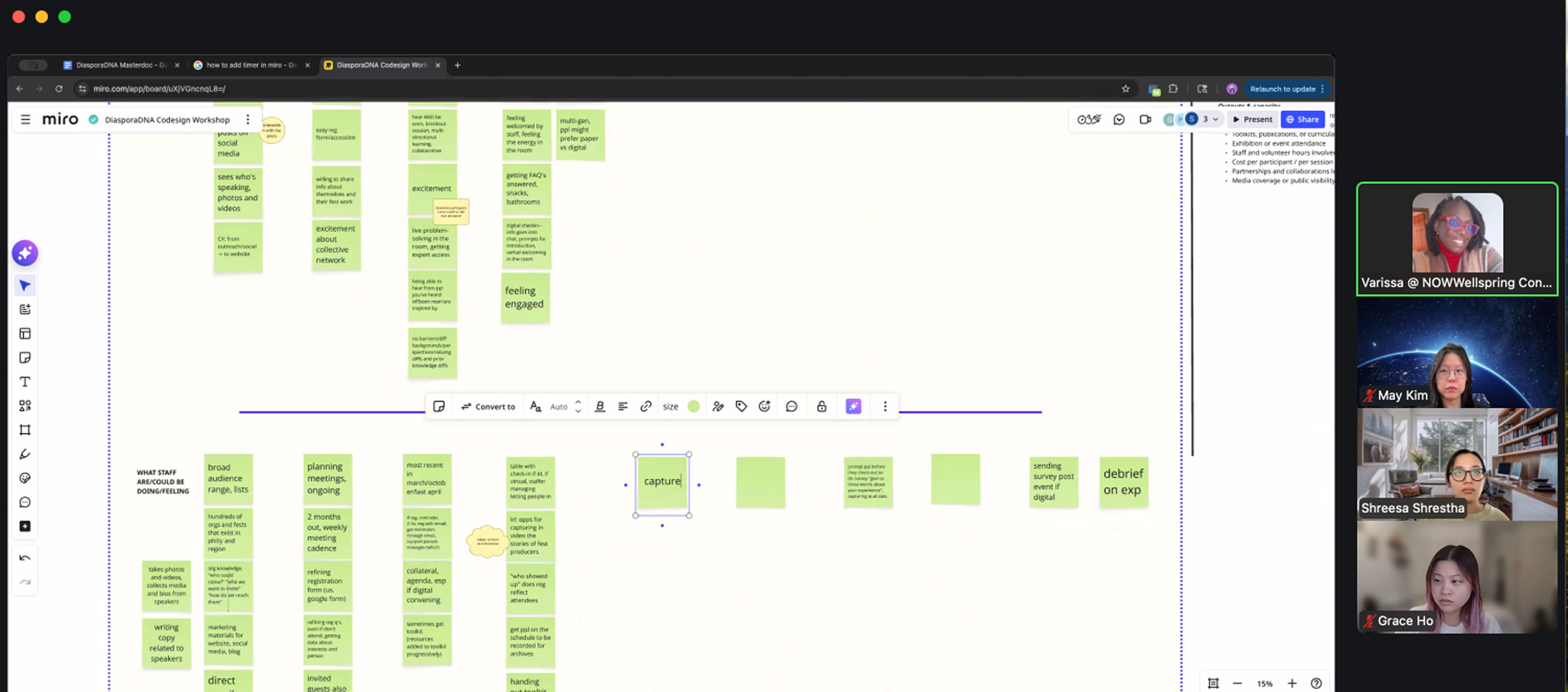
Co-design Workshop Role Play Service Walkthrough
Through the Roleplay Service Walkthrough with Varissa, we learned that engaging younger generations is important for keeping DiasporaDNA growing long-term. By understanding what helps new producers get involved, we could explore clearer ways to support their first steps, strengthen participation, and build a future pipeline for the organization.
Data Lifecycle
After the service walkthrough, we created a Data Lifecycle Map to understand how data moves through a typical DDNA workshop. This helped us look at what information is collected before, during, and after the experience. It also helped us see where data is being used well and where the process becomes unclear.
The map showed that data is not just collected at one moment. It can come from registration, check-in, workshop activities, participant feedback, surveys, and follow-up conversations. By mapping this flow, we could better understand how DDNA can collect data more intentionally and use it to improve programs, share impact, and support future funding.

Data Lifecycle Mapping
Dynamic Persona
We created three dynamic personas to capture the experiences of key stakeholder groups.
These archetypes mapped current behaviors, what helps or blocks progress, proposed interventions, and the desired future state.
→ DiasporaDNA Staff
→ Returning Festival Producer
→ New Festival Producer
DiasporaDNA Staffer/Volunteer
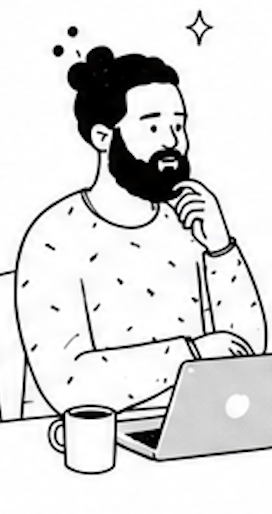
Returning Festival Producer
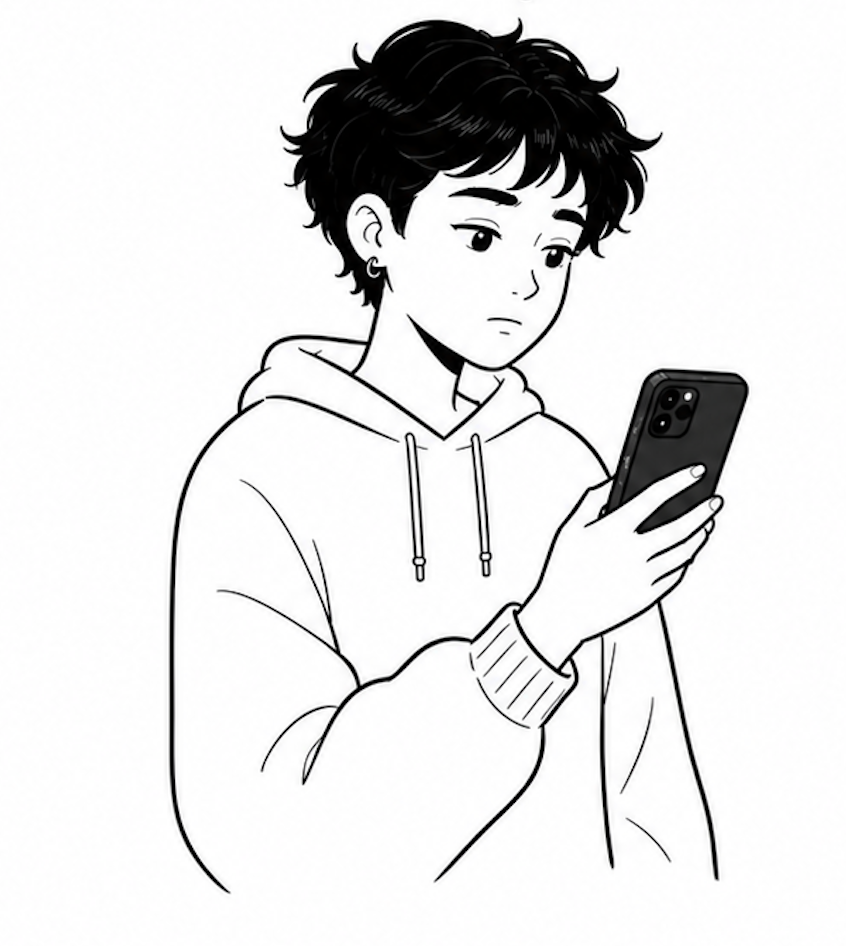
New Festival Producer
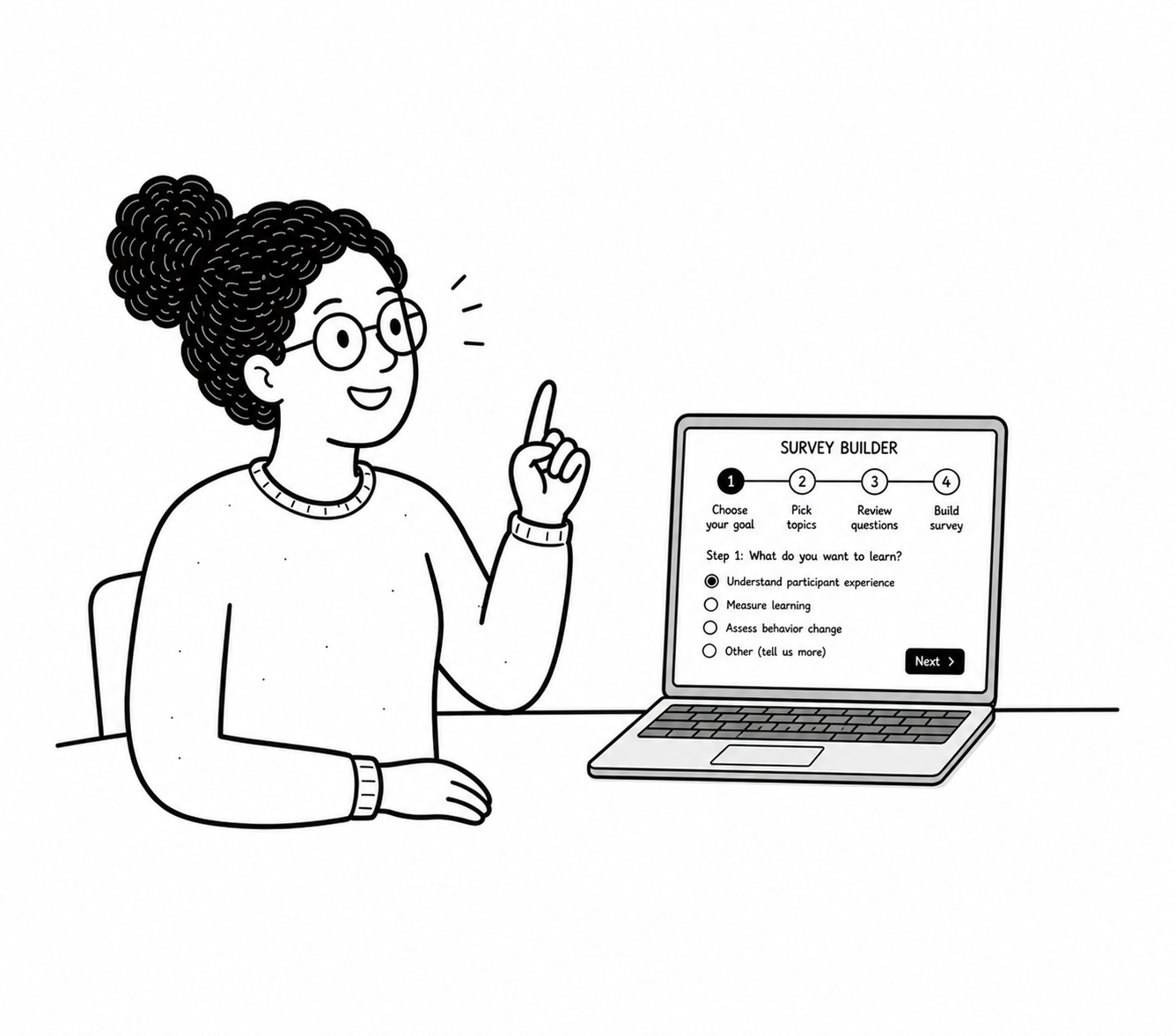
New Festival Producer not sure where to start
During co-design workshop Roleplay Service Walkthrough with Varissa, we learned that engaging younger generations is important for keeping DiasporaDNA growing long-term. By understanding what helps new producers get involved, we could explore clearer ways to support their first steps, strengthen participation, and build a future pipeline for the organization.
Focus Point
From the three Dynamic Personas, we focused more on the New Festival Producer because they represent an important entry point for DDNA’s long-term growth. By understanding what helps or holds them back from getting involved, we could identify clearer ways for DDNA to support new producers, strengthen community participation, and keep future programs moving forward.
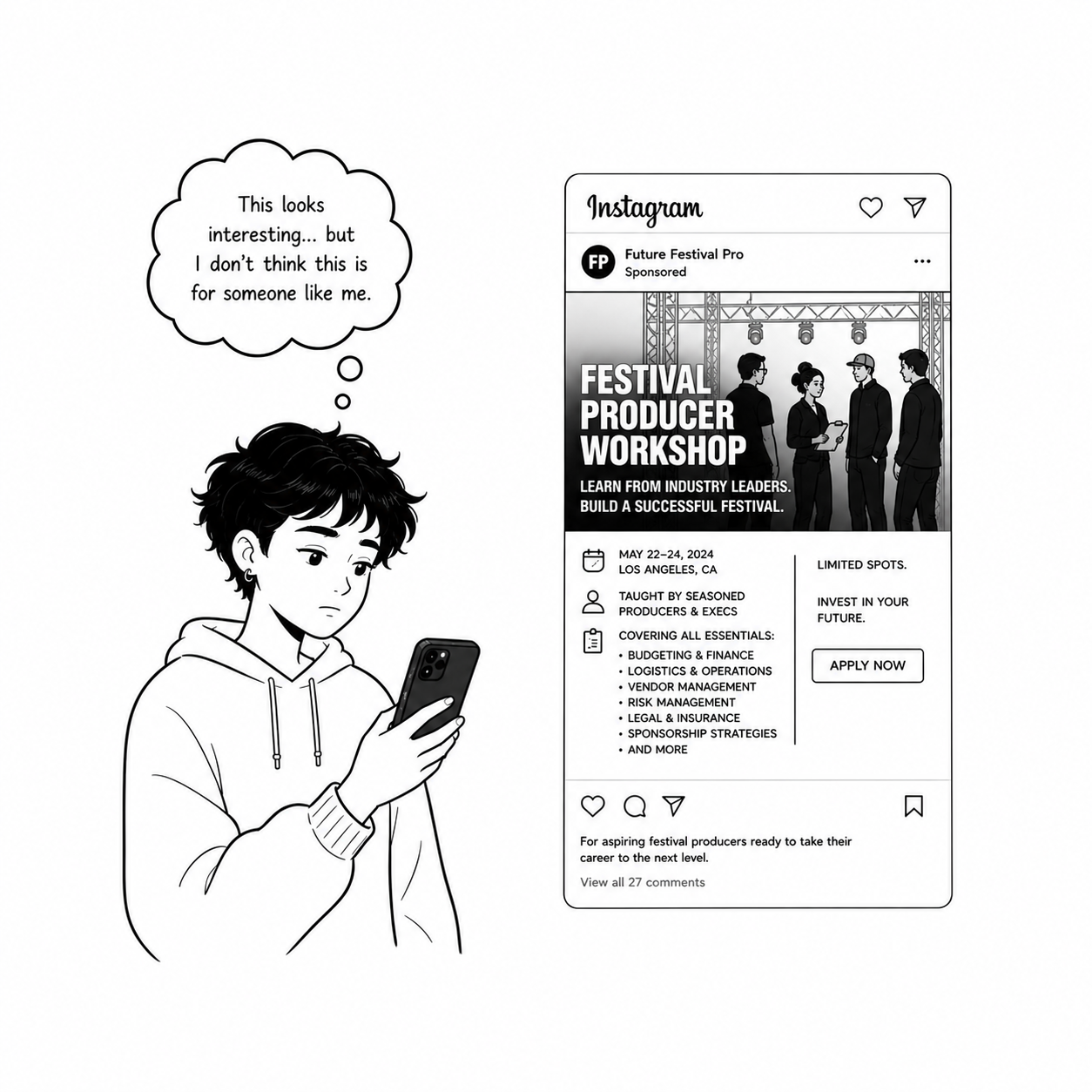
→
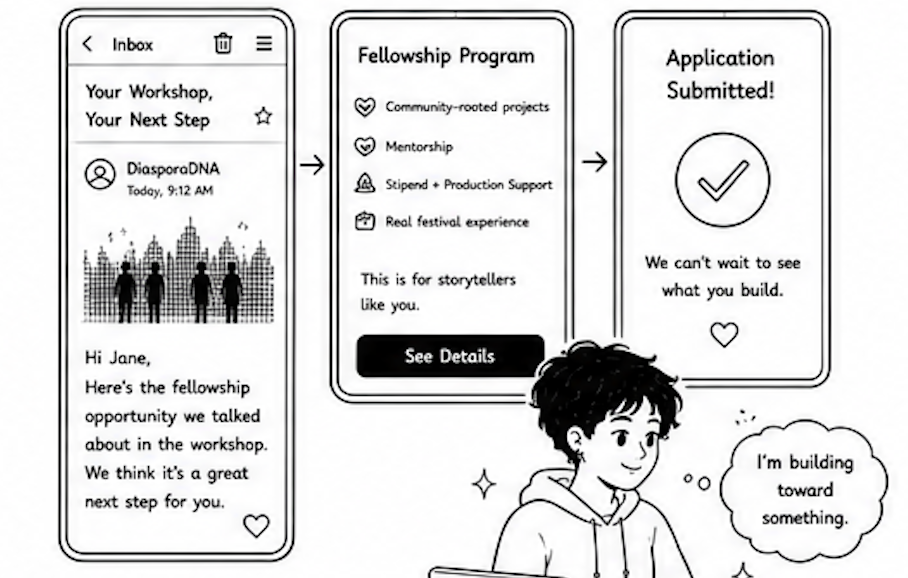
New Festival Producer applying for fellowship after feeling part of the community
Ecosystems: Connection Circle
A Connection Circle shows how people and resources work together within a service system. It helped us understand the relationship between data, attendees, grants, staff, and festival producers. It also showed how one part of the system can influence another.
The blue bidirectional arrows show how data, attendees, and grants should naturally support one another. However, DDNA came to us with the challenge of proving the impact of its programming, which led us to look at data collection and storage as key areas for intervention.
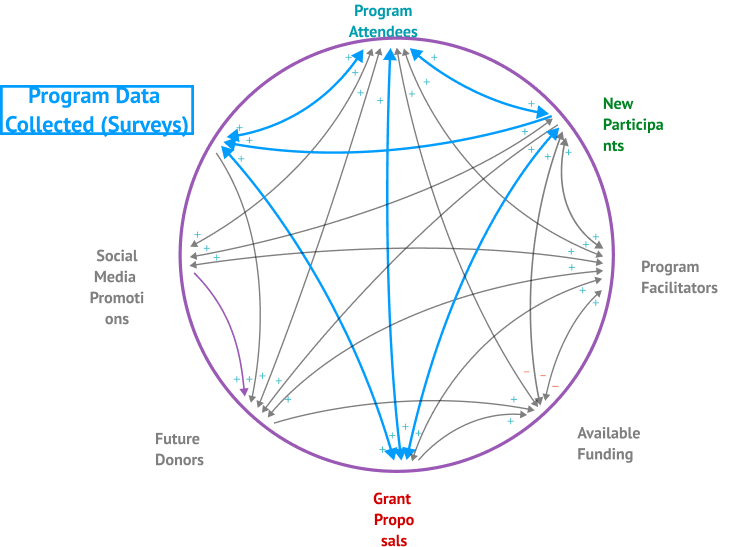
Connection Circle w/ Reinforcement Loop in Blue Lines
Service Intervention
An intervention is a proposed change or solution added to a service blueprint to address a challenge and improve how the service works.
Our interventions came from the gaps found in the service walkthrough and data lifecycle map. They focused on making data collection smoother, improving how feedback is used, and supporting DDNA’s long-term growth.
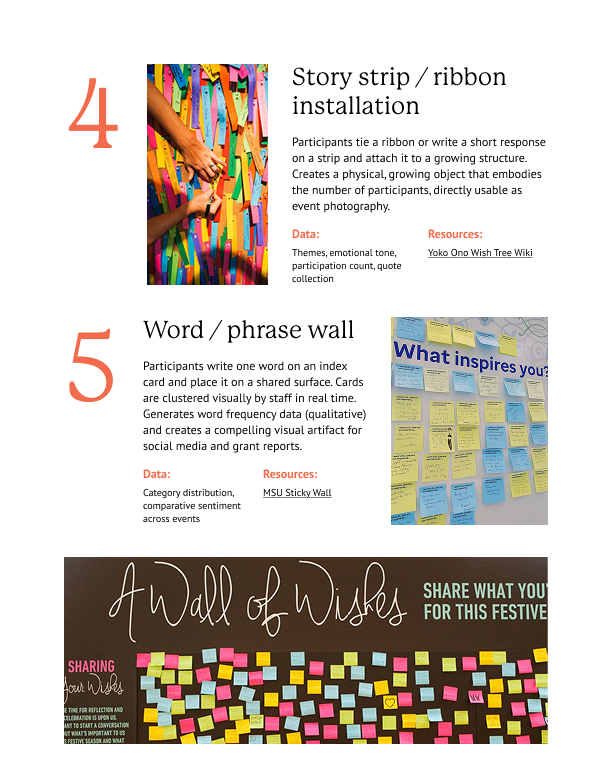
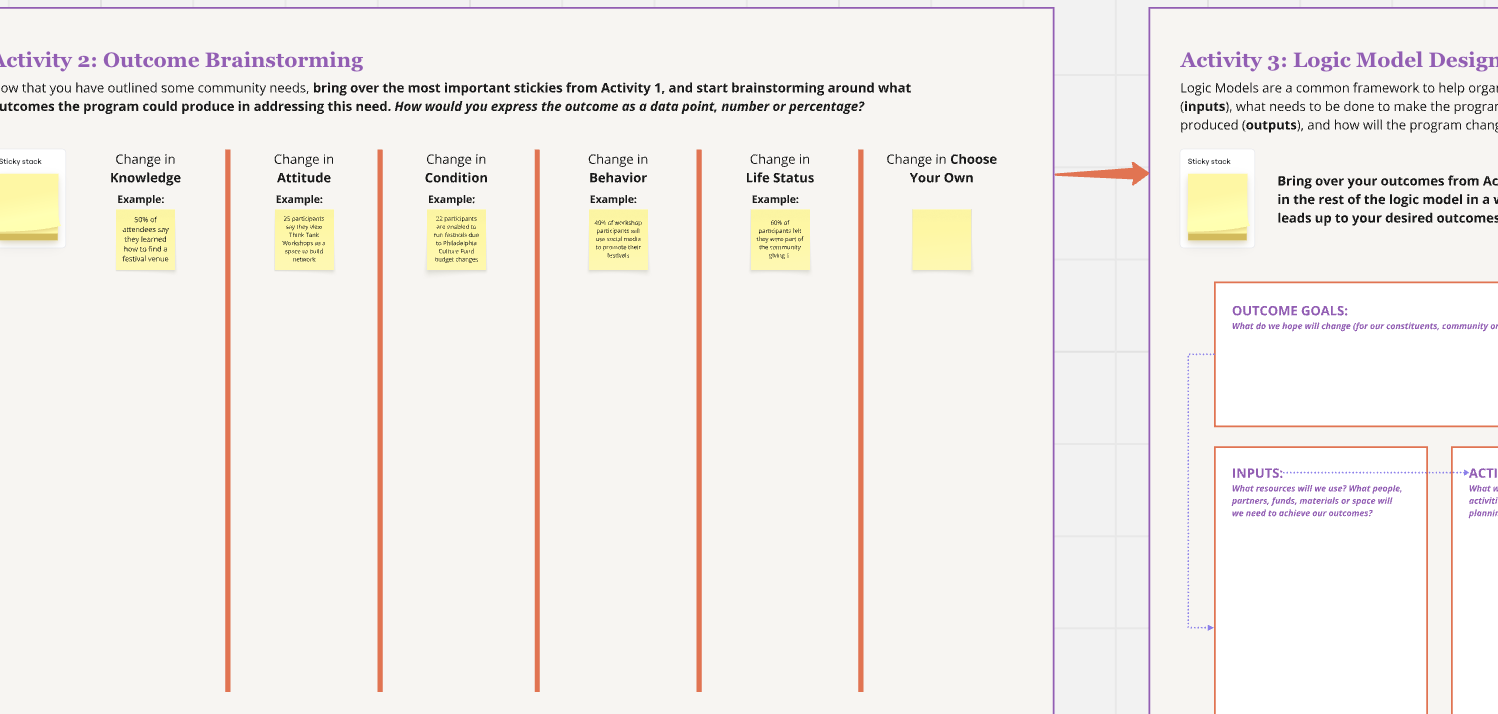
Collaborative Data Art Activities
Creative activities that encourage participation and feedback collection.
Evaluation Planning Tool
A planning tool that strengthens early alignment and improves how surveys can be planned and used.
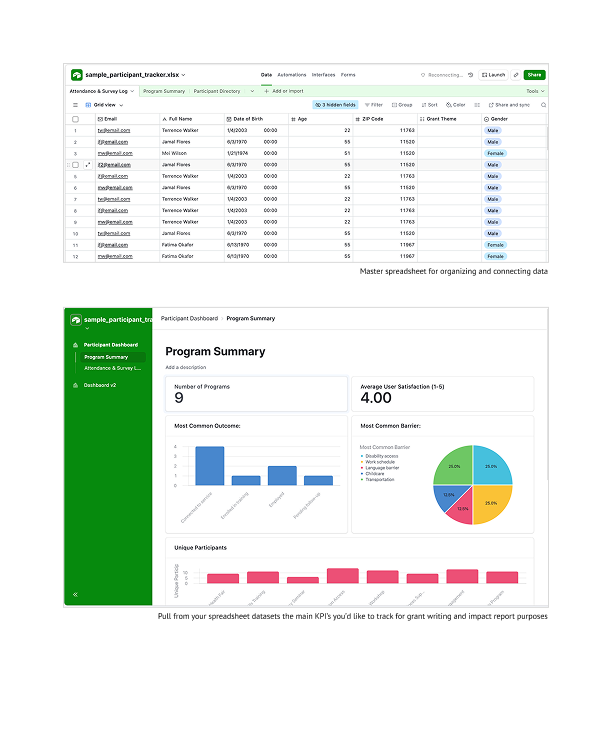
Data Management
Structured methods to keep data organized, accessible, and useful over time.
Identified Opportunities & Over Recommendation
Structured Data Collection and Analysis
Create a clearer way to collect, organize, and use feedback data for program improvement and grant support.
Guided Yet Flexible Entry Points
Create clearer starting points so people know how to get involved without making the process feel too rigid.
Mentorship and Knowledge Sharing
Connect new and experienced festival producers through shared guidance, tools, and resources.
Extend Engagement Beyond the Event
Build stronger follow-up moments that keep participants connected after events.
Growth Without Losing Authenticity
Support DDNA’s growth while keeping the experience rooted in trust, relationships, and community values.
Based on our findings, DDNA can strengthen its service by making entry points clearer, improving follow-through after events, organizing data more consistently, and creating support systems for new and returning festival producers.
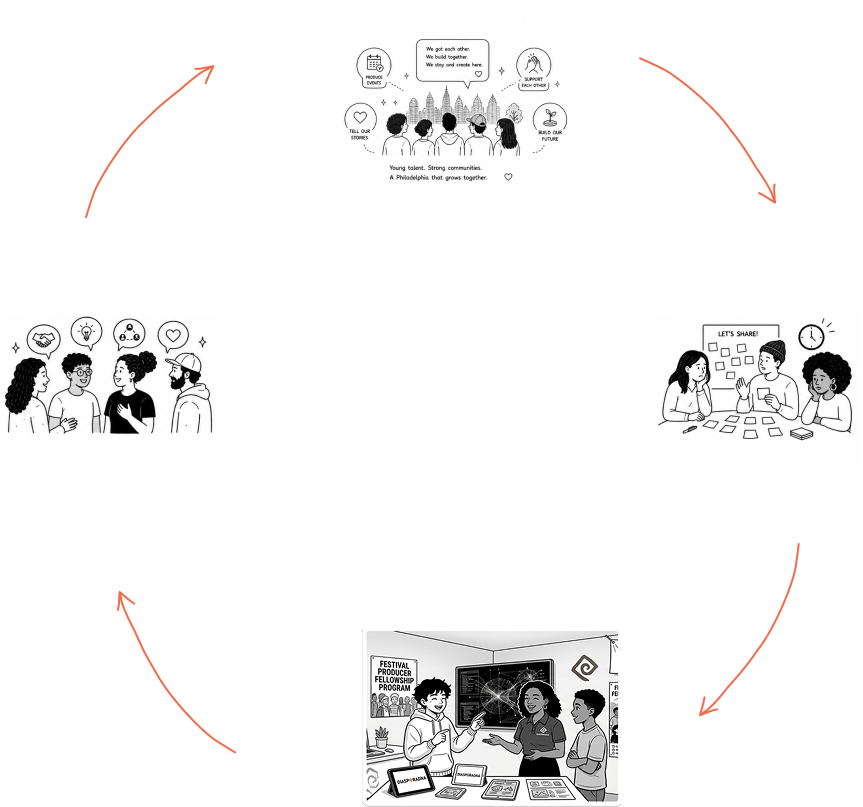
Interventions create a positive ripple effect by strengthening DiasporaDNA’s service design and long-term impact.
Takeaways
Impacts for DDNA
This work helped DDNA better understand how its service operates, where people experience friction, and how data can be used to show value and support future growth. The project also created a foundation for service interventions that can help DDNA strengthen its programs while staying rooted in its community values.
Next Steps
“Festivals are living archives of culture, joy, and community resilience, and our programs aim to preserve, celebrate, and sustain them”
From unclear entry points to guided pathways
Help new producers understand where to start and how to stay involved.
&
From scattered data to organized data use
Create a clearer system for storing and using feedback for programs and grants.
Reflection
&
This Service Design project helped me understand how service design can support community organizations beyond the visible user experience. By mapping frontstage and backstage work, I learned how tools like service blueprints, dynamic personas, and ecosystem circles can reveal the deeper systems behind participation, data, funding, and long-term sustainability.
Connection Circle w/ Reinforcement Loop in Blue Lines
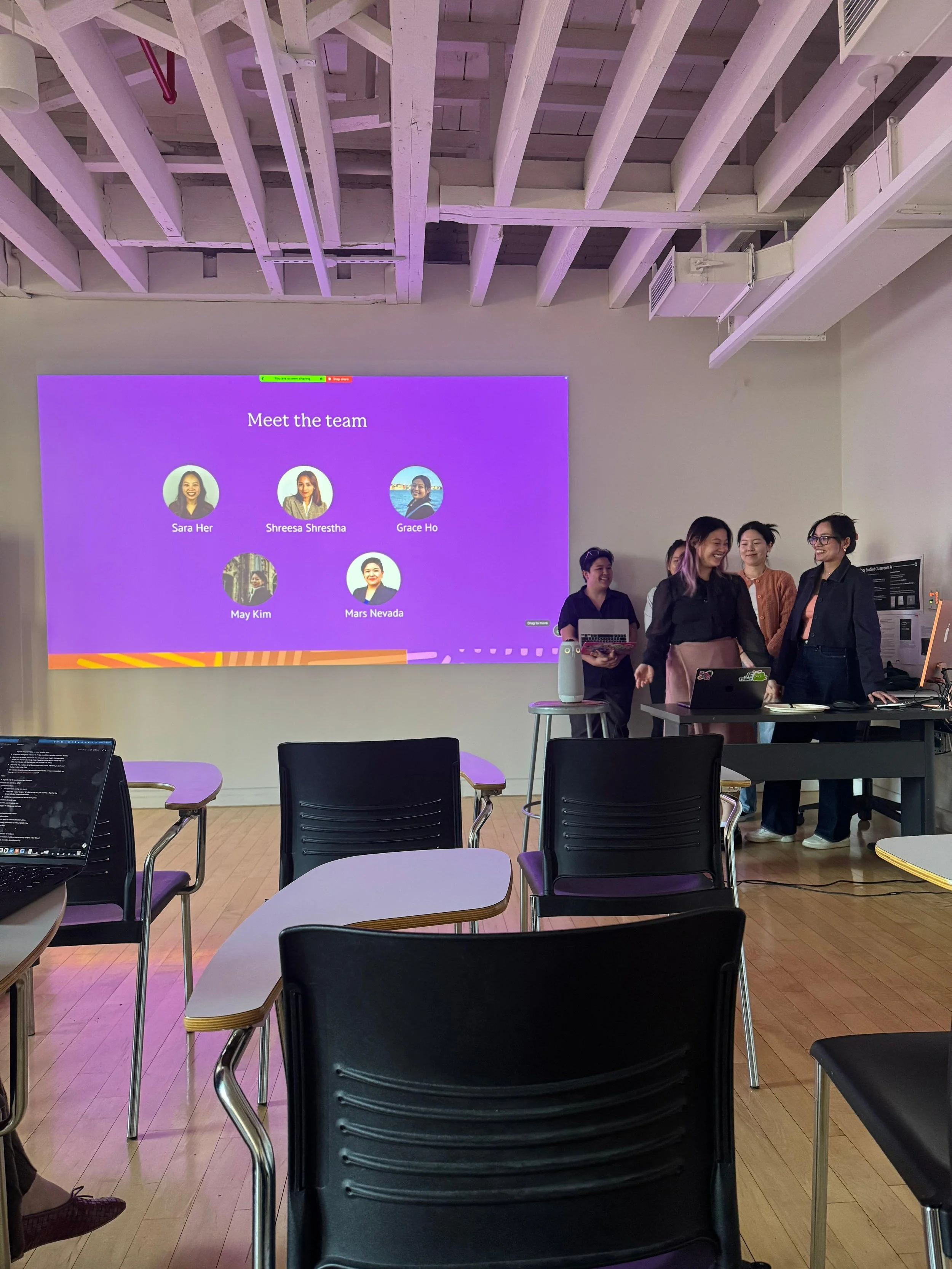
Pratt x DiasporaDNA Service Design Team Final Presentation
From one-time participation to long-term support
Use starter guides, mentorship, and resources to support new producers over time.